Bringing a baby into the world is a huge physical transition. While much of the focus after birth is understandably on your newborn, many women are also navigating unexpected aches and pains in their own bodies, especially around the hips and pelvis.
Postpartum hip pain is incredibly common. Whether it feels like a dull ache when walking, stiffness after feeding your baby, pain getting out of bed or discomfort carrying your little one, these symptoms can make everyday tasks feel harder than they should.
The good news is that you do not have to “just put up with it.” A Myotherapist may be able to identify the cause of your pain and help you feel more comfortable and confident in your body again.
Postpartum hip pain is rarely caused by just one thing. During pregnancy and birth, your body goes through significant hormonal and structural changes.
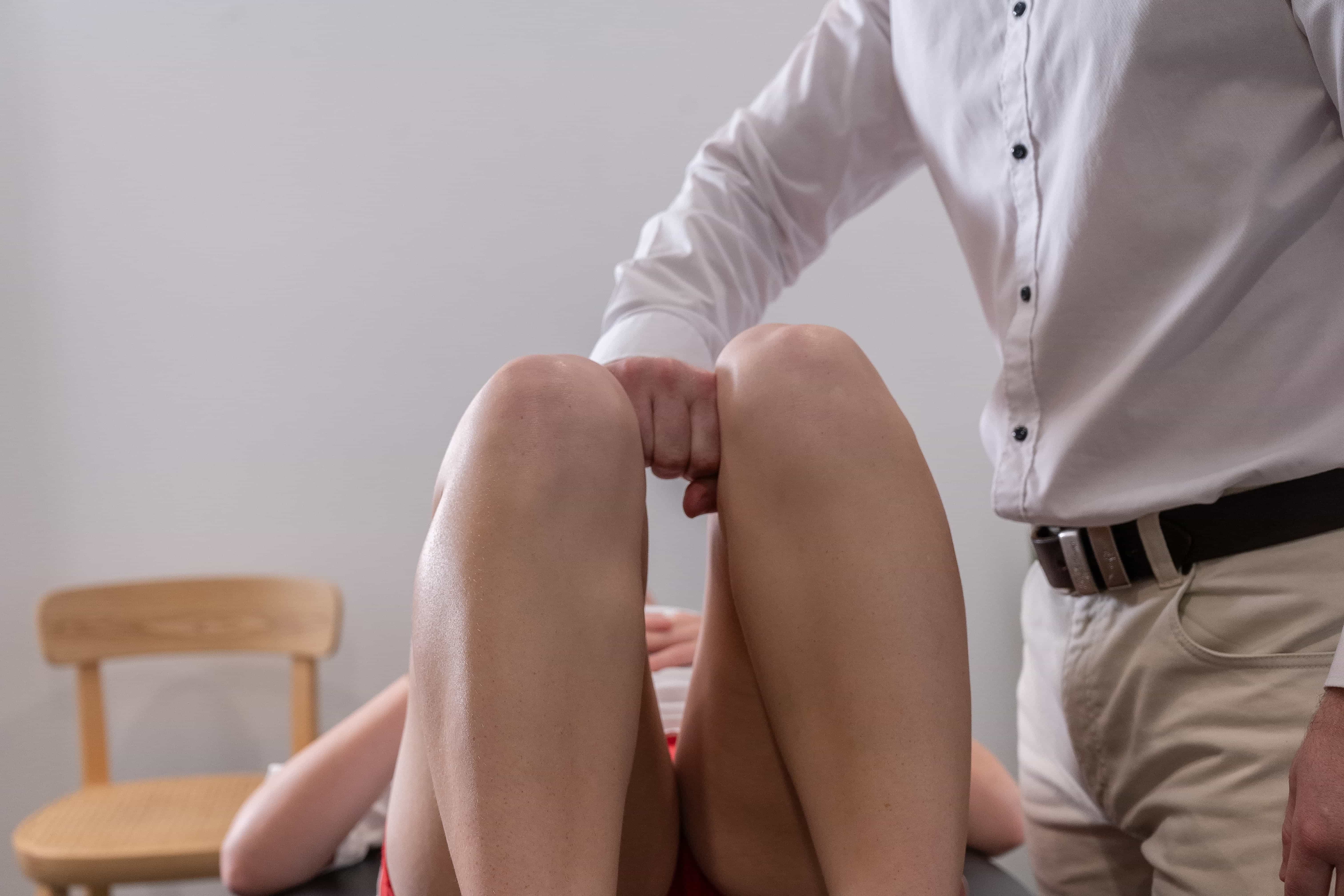
A myotherapist begins with a detailed assessment to understand what is contributing to your pain. This may include:
Pain can sometimes stem from the lower back, glutes, pelvic floor or surrounding muscles rather than the hip joint itself. A thorough assessment helps tailor a treatment plan specifically to your body and your recovery.
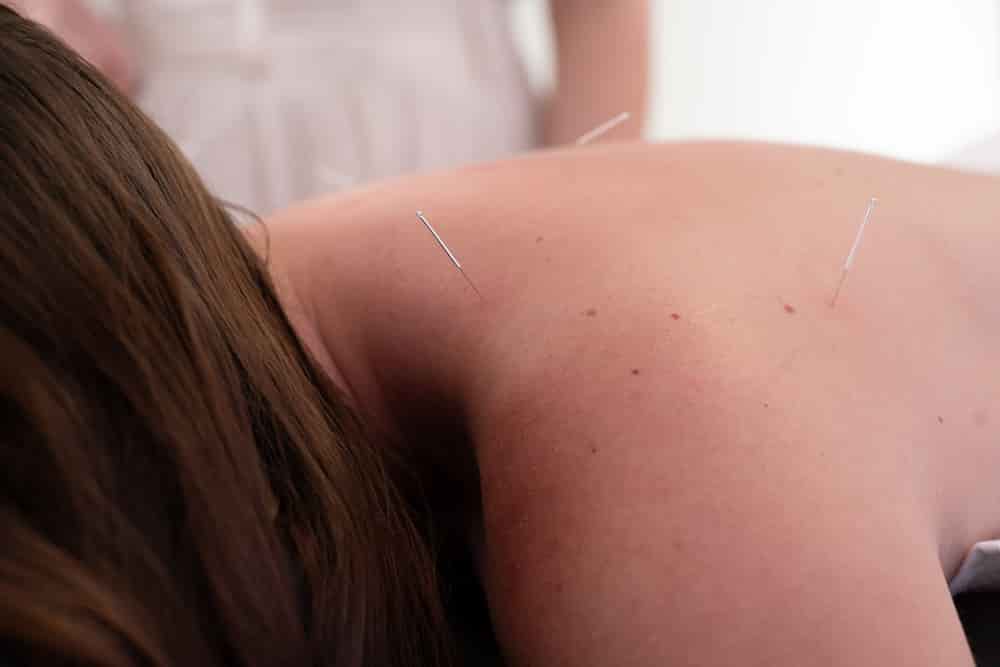
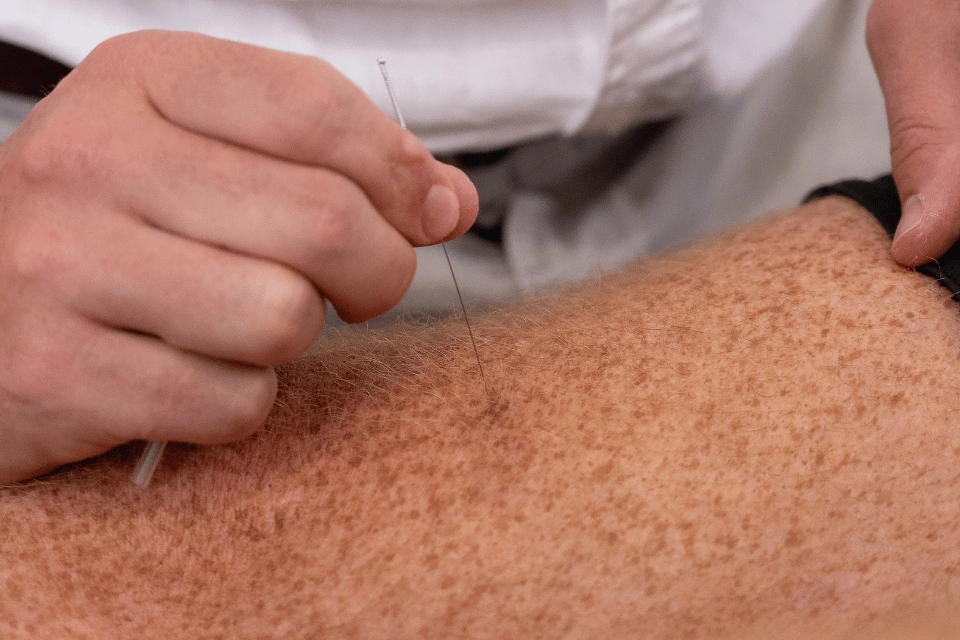
Dry needling can be an effective treatment option for postpartum hip pain, particularly when muscles are tight, overactive or referring pain into the hip or pelvis.
During treatment, fine needles are inserted into trigger points within the muscles to help reduce tension, improve blood flow, and encourage the muscle to relax. Many postpartum mums develop tightness in areas such as the glutes, hip flexors and lower back from feeding positions, baby carrying or altered movement patterns after birth.
Dry needling may help with:
After pregnancy and birth, some joints can become stiff while others remain overly mobile. Joint mobilisation techniques are gentle hands-on movements used by Myotherapists to help improve mobility, reduce pain and restore movement through the hips, pelvis and lower back.
Combined with soft tissue treatment and strengthening exercises, joint mobilisation can help make everyday movements like getting up from the floor, walking up stairs, or lifting your baby feel smoother and less painful.
Small changes to daily habits can make a big difference in managing postpartum hip pain. A Myotherapist can provide personalised advice, but some helpful strategies include:
Avoid staying in one feeding or sitting position for long periods. Gentle movement throughout the day can help reduce stiffness.
Place cushions under your arms or behind your back to reduce strain through the hips and lower back.
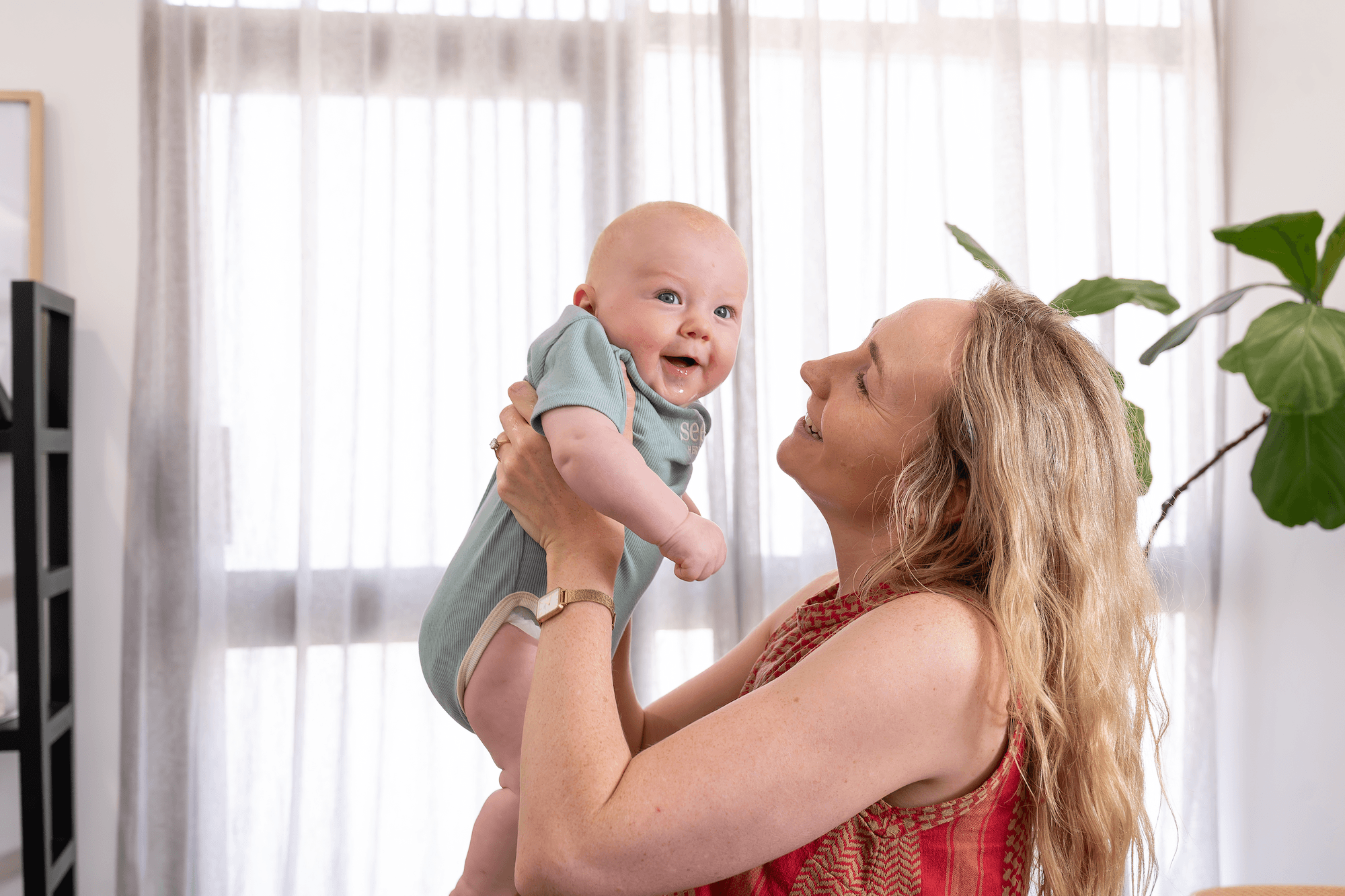
Try alternating sides when holding your baby and avoid 'hip hanging' where possible.
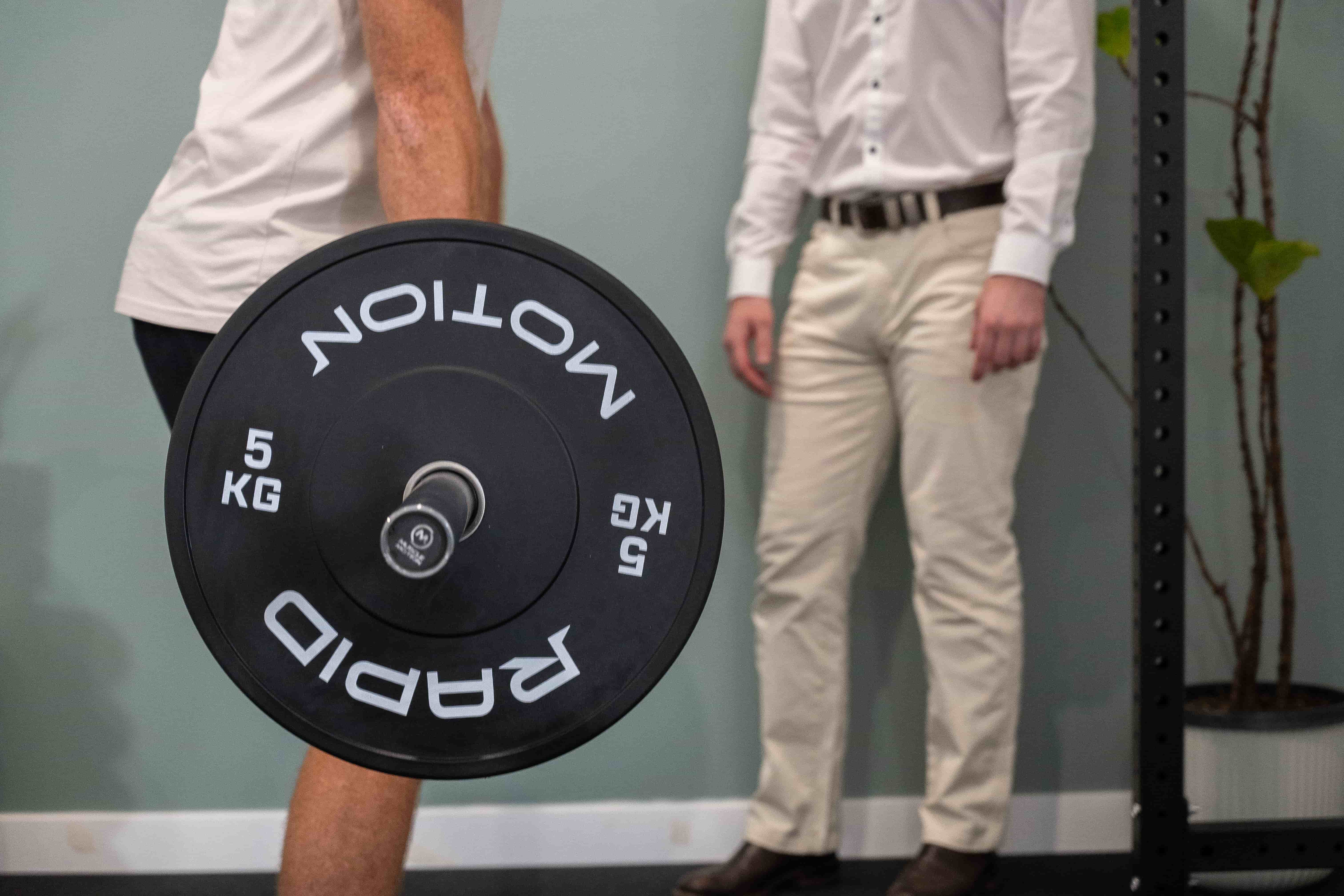
Simple exercises targeting the glutes, core and pelvic stability can support recovery and reduce strain on the hips.
Rest, hydration, and gradual return to exercise are all important parts of postpartum healing.
Postpartum recovery is not just about getting through the newborn stage, it is about helping your body heal and function well long term. Hip pain may be common after birth, but it is not something you need to ignore. With the right assessment, hands-on treatment and practical support, Myotherapy can help you move more comfortably, regain strength, and feel more like yourself again.