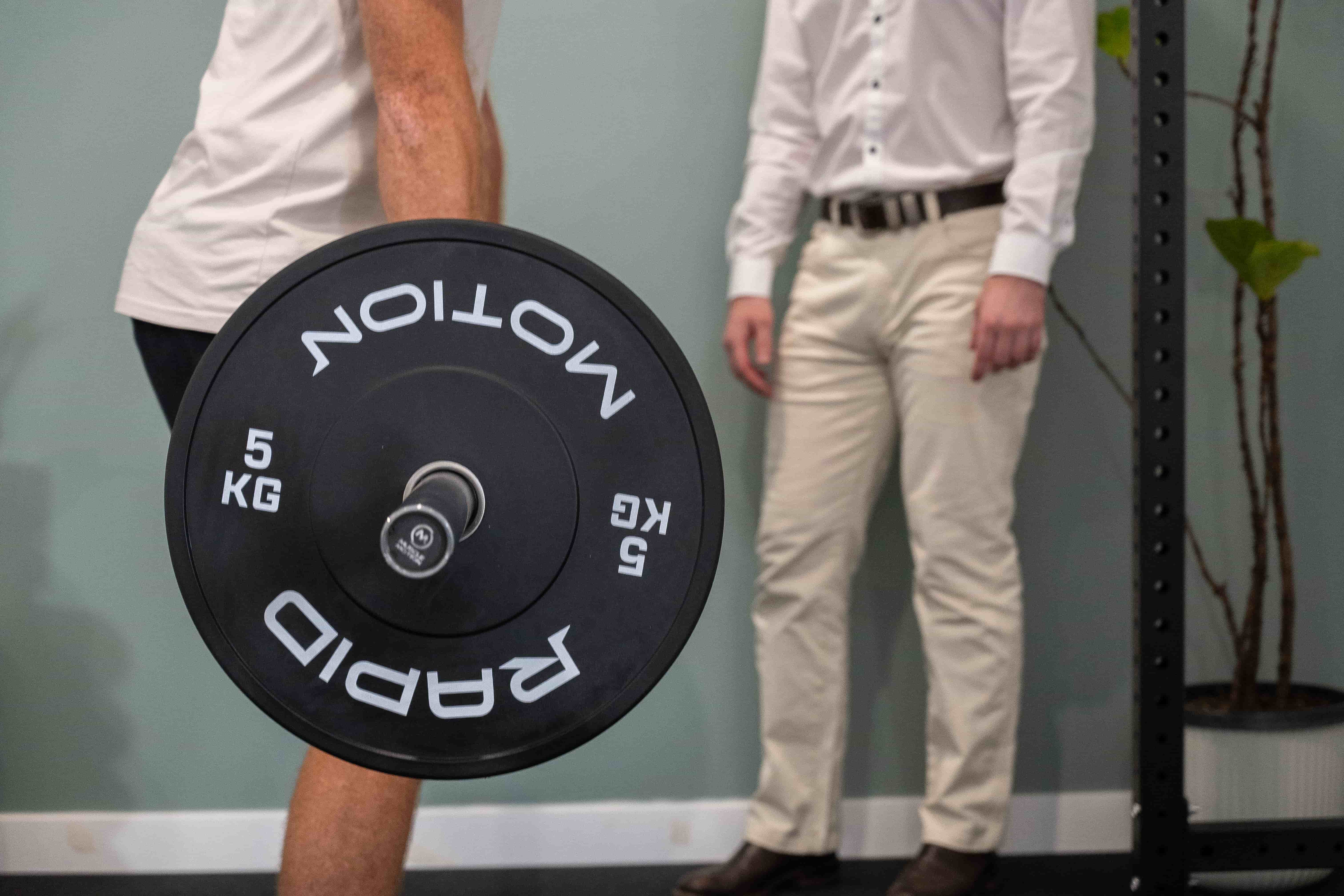
HYROX has quickly become one of the most popular fitness races in the world, combining endurance, strength and functional fitness. From sled pushes and wall balls to rowing, lunges, and running, HYROX places a huge amount of stress on the body.
Whether you are preparing for your first event or chasing a new PB, training volume and intensity can add up quickly. Tight muscles, mobility restrictions, fatigue and overuse injuries are common challenges for HYROX athletes.
A Myotherapist can help support your training, improve movement efficiency and assist with recovery so you can perform at your best while reducing injury risk.
In a sport like HYROX, technique matters. Small inefficiencies in movement can lead to unnecessary energy expenditure, reduced performance and increased strain on the body over time. A myotherapist can assess how your body moves during common HYROX exercises and identify areas where movement patterns may be contributing to discomfort or limiting performance.
This may include:
Poor technique is not always caused by lack of skill, sometimes the body simply does not have the mobility, stability or muscular control to move efficiently.
Addressing these movement patterns early can help improve performance while also reducing stress on joints and soft tissues during training.
HYROX training demands mobility through multiple areas of the body, particularly the hips, ankles, shoulders and thoracic spine. Restrictions in these areas can affect everything from running efficiency to squat depth and lifting mechanics.
A Myotherapist can identify mobility limitations that may be impacting your movement or increasing injury risk. Tight hip flexors, stiff ankles, restricted upper back mobility or overloaded calves are all common in athletes balancing high-volume running and strength work.
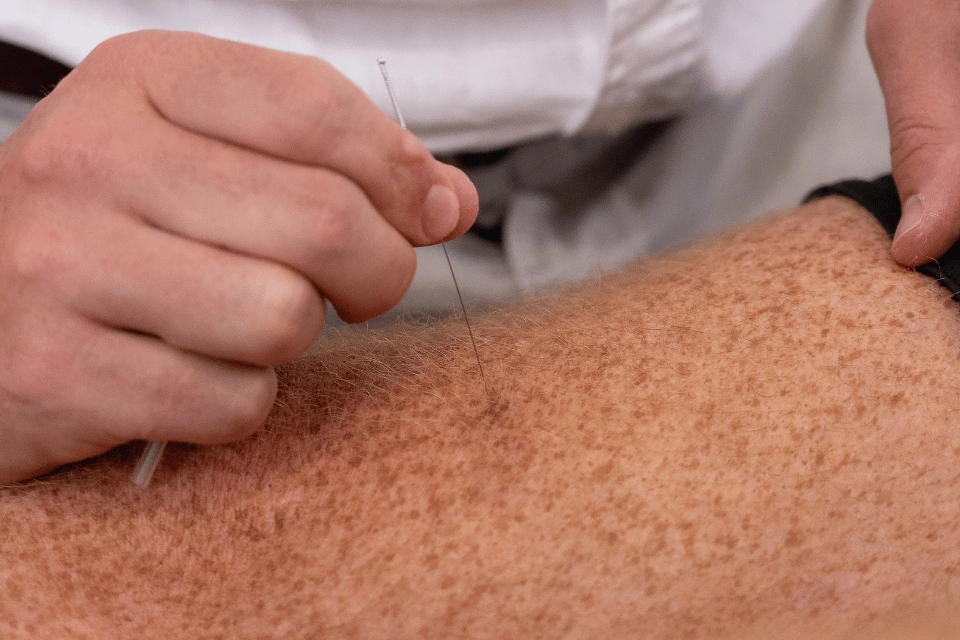
Treatment may include:
Improving mobility is not just about flexibility, it is about helping the body move efficiently under load and fatigue. Better mobility can improve exercise technique, reduce compensation patterns and help you recover more effectively between sessions.
One of the biggest mistakes HYROX athletes make is underestimating recovery. Training hard without enough recovery can lead to persistent tightness, declining performance, fatigue, and eventually injury.
A Myotherapist can help you manage the physical demands of training by supporting recovery strategies and helping you understand how your body is responding to load.
This may involve:
Recovery is not just about rest days, it is about giving the body the support it needs to adapt to training. Consistent treatment and recovery strategies can help athletes maintain training quality and reduce interruptions caused by niggles or injury.