Running is one of the most accessible and rewarding forms of exercise. Whether you are training for your first 5km, preparing for a marathon, or simply running to improve your fitness and mental health, running places repetitive demands on the body that can sometimes lead to pain or injury.
Tight calves, sore knees, hip discomfort, shin pain or recurring niggles are all common concerns runners experience at some point in their training. While some discomfort can be expected with increasing load, persistent pain is often a sign that the body is struggling to adapt.
This is where Myotherapy can help. Myotherapists work with runners to improve movement, manage muscle tension, reduce injury risk and support recovery so you can continue training consistently and comfortably.
One of the most common reasons runners develop injuries is progressing too much, too soon. Increasing pace, distance, or training frequency too quickly can overload muscles, tendons, and joints before the body has had time to adapt.
A Myotherapist can help runners better understand training load and support realistic progression based on their goals, training history, and physical capacity.
This may include:
Many running injuries develop gradually over time rather than from a single event. Consistency is often more important than intensity and small, sustainable progressions are usually more effective than pushing too hard too early.
By combining hands-on treatment with movement assessment and recovery guidance, Myotherapy can help runners stay on track toward their goals while reducing setbacks from injury.
Running technique can have a significant impact on how forces travel through the body. Small inefficiencies in movement may contribute to excessive stress on certain muscles or joints, particularly when repeated over thousands of steps.
A Myotherapist can assess running mechanics and identify areas that may need improvement, including:
It is important to remember there is no single 'perfect' running style. The goal is not to completely change how someone runs, but to identify whether movement patterns may be contributing to discomfort or limiting performance.
Shoe choice can also play a role in comfort and injury management. While no shoe can prevent all injuries, the right footwear should feel supportive, comfortable and appropriate for your running style and training demands.
A Myotherapist can help guide runners on what to look for in a shoe and when it may be time to replace worn footwear.
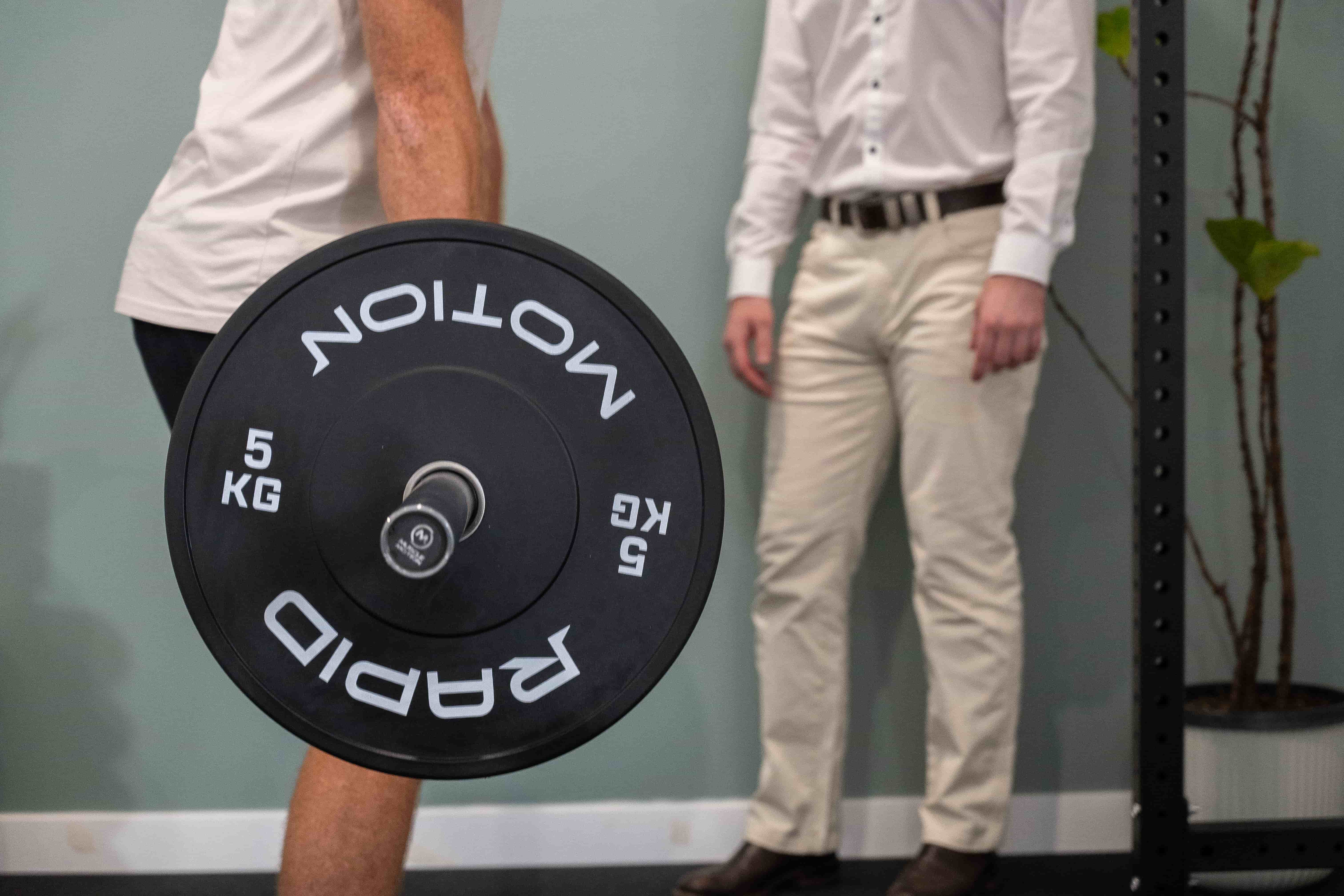
Strength training is one of the most valuable tools runners can use to improve performance and reduce injury risk. Stronger muscles help absorb force more efficiently and improve stability during repetitive movement.
Many runners focus heavily on running volume while neglecting strength work, which can contribute to overload issues over time.
A Myotherapist may prescribe exercises targeting areas commonly involved in running injuries, including:
Strength training does not need to be complicated or time consuming to be effective. Even a small amount of consistent strength work can improve running efficiency and help the body tolerate training loads more effectively.
Running should feel challenging at times, but ongoing pain and recurring injuries are not something you simply have to accept. Looking after recovery, strength, mobility and training load can make a major difference in both performance and enjoyment.
Myotherapy can help runners better understand their bodies, address physical limitations early and stay consistent with training over the long term.
Whether you are running recreationally or training for competition, investing in your recovery and movement quality can help keep you moving well for years to come.