
Personalised physiotherapy designed to reduce pain, restore movement, and get you back to doing what matters most.
If you’re experiencing pelvic floor concerns, pain, or changes during pregnancy or after birth, physiotherapy can help you understand what’s going on and what to do next.Sessions focus on improving strength, control, and movement.
This helps you return to exercise, manage symptoms, and feel more comfortable in your body day to day.You’ll be guided through a clear, personalised plan based on your needs, whether that’s recovery after birth, managing pelvic pain, or building confidence in movement again.
Comprehensive assessment of your pelvic floor and movement patterns
Manual therapy and dry needling
Individualised exercise and rehabilitation programs
Rehabilitation Pilates (mat or reformer-based)
Guidance for safe return to exercise and daily activity
Pre and post-operative support where required
Book online or call.
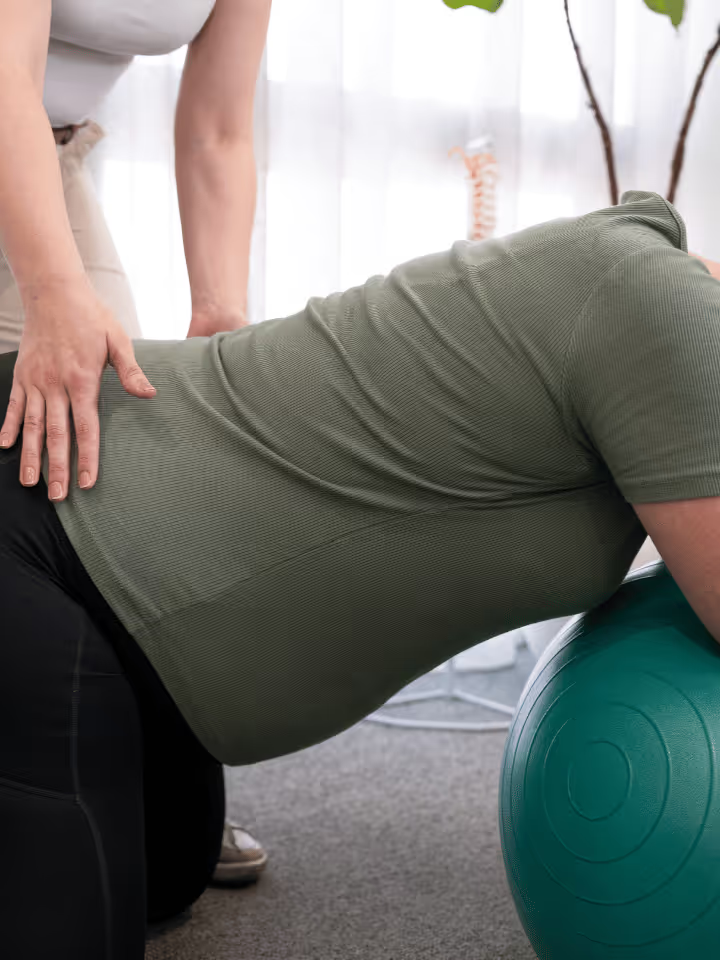
Our physiotherapy sessions are delivered in a private clinical setting, supporting women to manage pelvic health concerns, reduce discomfort, and improve movement. Each session is guided by a physiotherapist with advanced training in pelvic floor conditions.
We’ve compiled a list of frequently asked questions to help you understand our services.
General physiotherapy treats a broad range of injuries like muscle strains, joint pain, and post-surgical recovery.
Women’s health physiotherapy focuses on conditions specific to women, particularly those involving the pelvic floor, pregnancy, and postnatal recovery. It requires additional training and a more specialised approach to care.
Your first appointment focuses on understanding what’s going on and what you need.
You’ll be asked about your symptoms, medical history, and any relevant lifestyle factors. Your physiotherapist may perform a physical assessment, which can include external or internal examination if appropriate and with your consent.
From there, you’ll get a clear plan that may include treatment, exercises, and next steps.
Not always.
Internal examinations are only recommended when they are relevant to your symptoms and can provide useful clinical information. Your physiotherapist will explain why it may help and will only proceed with your consent.
You’re always in control of what you’re comfortable with.
Initial appointments are typically 1 hour to allow time for a full assessment and plan.
Follow-up appointments are usually 30 minutes.
If your appointment involves an internal assessment, it’s usually recommended to wait until around six weeks post-birth.
However, you don’t need to wait if you’re experiencing issues like pain, abdominal separation, or discomfort. You can come in earlier for assessment and guidance.
Our physiotherapist can support women with a range of concerns, including:
Pelvic floor weakness or dysfunction
Bladder or bowel leakage
Pelvic pain
Pain with intercourse
Pregnancy-related pain
Postnatal recovery
Abdominal separation (diastasis recti)
Prolapse
If you’re unsure, it’s worth asking.
It helps to think about your symptoms beforehand.
Try to note when the issue started, what makes it better or worse, and how it affects your day-to-day life. This helps your physiotherapist get a clearer picture faster.
Yes.
Pessary fittings are available and involve selecting and fitting a device to support pelvic organ prolapse or related symptoms. Your physiotherapist will guide you through the process and ensure the right fit for comfort and function.


